Dual fire extinguisher and fire alarm system servicing and maintenance

Dual fire extinguisher and fire detection and alarm system servicing and maintenance

Combining your servicing

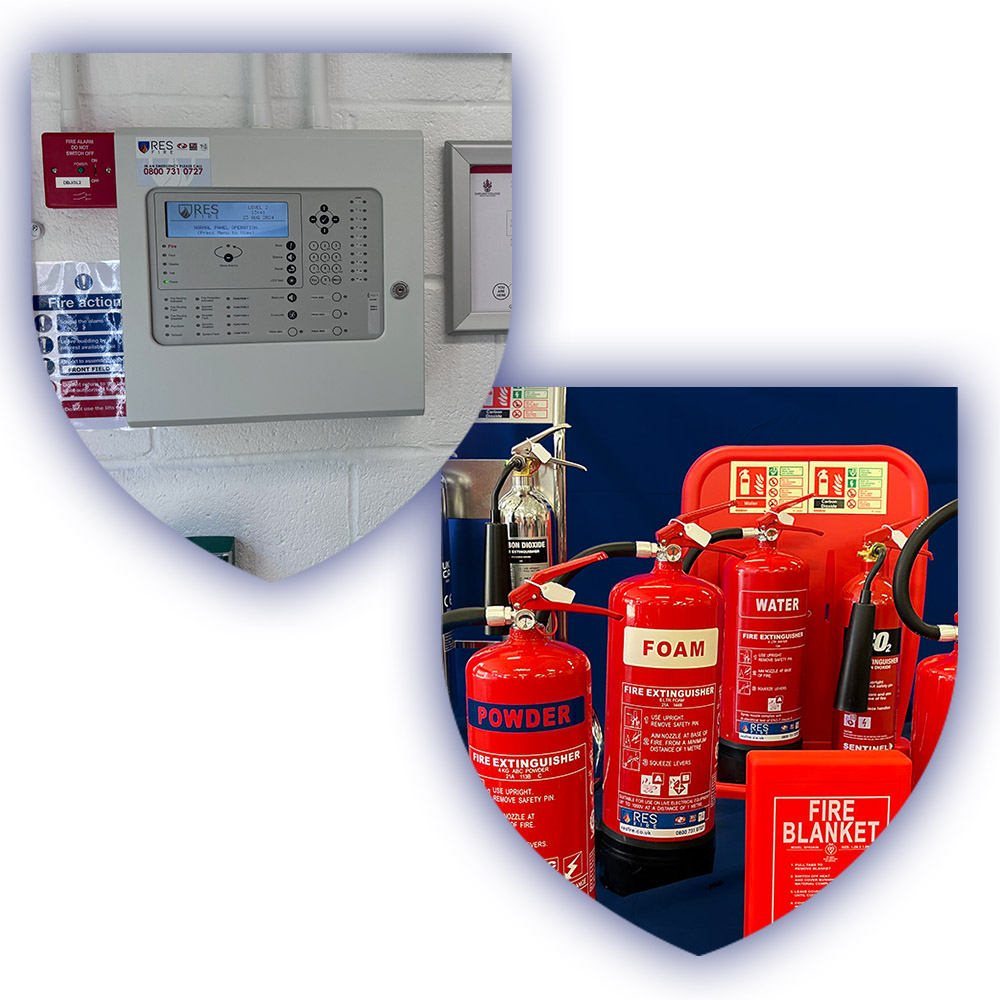
Combining your fire extinguisher servicing and fire detection and alarm system servicing into one visit can reduce your overall annual servicing costs and minimise disruption to your premises.

RES have a dedicated team of “dual” engineers that can service both types of fire safety equipment at your premises.

If we currently service your fire extinguishers and not your fire detection and alarm system, please get in touch to discuss your requirements. Similarly, if we look after your fire detection and alarm system and would like us to service your fire extinguishers, get in touch!

RES Fire & Security – Services Guide 2026

RES Fire & Security - Services Guide 2026

Our latest services guide provides a simple guide to our services and capabilities for fire and security.

RES Fire & Security Brochure 2026

Our services have been developed and steadily grown from our company’s commitment to a BS EN
ISO 9001 quality management system.

CONTENTS

FIRE
■ FIRE DETECTION AND ALARM SYSTEMS
■ EMERGENCY LIGHTING
■ AOV SMOKE CONTROL AND VENTILATION SYSTEMS
■ EMERGENCY VOICE COMMUNICATION SYSTEMS
■ CALL ASSIST SYSTEMS
■ FIRE EXTINGUISHING SYSTEMS
■ FIRE EXTINGUISHERS
■ FIRE DOORS
■ FIRE STOPPING
■ DRY RISERS
■ FIRE HYDRANTS
■ FIRE SAFETY SIGNAGE
■ FIRE SAFETY TRAINING
■ FIRE PLANS

SECURITY
■ METAL DOORS
■ ACCESS CONTROL SYSTEMS
■ CCTV
■ INTRUDER ALARMS
■ KEY HOLDING & RESPONSE
■ REMOTE MONITORING

INFORMATION
■ ACCREDITATIONS, CERTIFICATIONS & MEMBERSHIPS
■ WEBSITE & SOCIAL MEDIA

View / Download

NEW FIRE RISK ASSESSOR COMPETENCY STANDARD PUBLISHED

The British Standards Institute (BSI) has published the long-awaited standard setting out a framework for the assessment of fire risk assessor competency.

BS 8674:2025 Built Environment – Framework for Competence of Individual Fire Risk Assessors 

Designed through industry-wide collaboration to reduce the variability of fire risk assessor qualifications, offer consistency across the sector, and support the professionalisation of fire risk assessors, this new standard will help to drive and improve industry-wide standards.

The publication of this standard sees the government take significant strides towards meeting one of the recommendations made in the Grenfell Tower Inquiry Phase 2 report, namely to “establish a system of mandatory accreditation to certify the competence of fire risk assessors by setting standards for qualification and continuing professional development and such other measures as may be considered necessary or desirable”.

What is a P50?

What is the P50 fire extinguisher?

A P50 fire extinguisher manufactured by Britannia Fire is a 10 year service free unit, which can be extended to 20 years after a manufacturers service. It can be routinely inspected in house until 10 years old with no parts requiring replacement during this period. 

Are P50 Fire Extinguishers legal?

P50 fire extinguishers fulfil all the legal and certification requirements for fire extinguishers.

– Carry the legal CE mark required for all fire extinguishers.The CE mark means that the fire extinguisher complies with the Pressure Equipment Directive (PED), a European standard which ensures the extinguisher will not rupture at a crucial moment.

– Comply with British Standard BS EN 3-7.This standard is not a legal requirement but gives a good indicator of the performance and suitability of the extinguisher.

– Are certified and kitemarked by the British Standards Institution (BSI).British standards are not a legal requirement; however, they are accepted as best practice across the industry.

Why an extinguisher annually serviced by a third-party BAFE service technician is not required

A P50 extinguisher is service-free due to its unique construction and robust nature when compared to traditional extinguishers requiring annual servicing by a third-party BAFE service technician. An in-house service can be carried out by a responsible member of staff completing a simple visual inspection each year to ensure the P50 is in good working order.

We would still recommend that the initial commissioning and installation of P50 extinguishers is carried out by a third-party BAFE service technician to ensure legal duties are met under the Regulatory Reform (Fire Safety) Order 2005 by businesses and organisations. This will always ensure the correct selection and positioning of fire extinguishers in a premises. BS 5306-3 recommends that extinguishers are annually maintained.

What does an annual visual inspection entail

The extinguisher annual visual service/maintenance programme, which is undertaken by suitably trained staff members.

– If an indicator is in the RED segment return to manufacturer or appointed distributor.
– Remove any dust with a clean cloth.
– Turn upside down to inspect base and locate the testing magnet, stored here.
– Check date is within 10 year operational lifespan (colour coded stud in base gives year of manufacture.
– At 10 years return to manufacturer or distributor for manufacturers overhaul to extend the lifespan by a further 10 years.
– Check the tamper seal is in place along with the pin. If tamper seal/pin are missing, contact manufacturer or distributor.
– Check both indicators with a magnet to confirm operation. Moving magnet from side to side needle should move then return to GREEN segment.
– Return magnet to base.
– Check for any damage to the unit and the hose.
– Is the hose connected securely to the unit.
– Is the fire extinguisher indicator sign displayed.
– Record yearly inspection date into logbook and mark extinguisher body with permanent marker pen.

Benefits

– Long-lasting
– 10-year manufacturer’s operational corrosion guarantee
– Super strength material
– No service contract required
– Requires only one maufacturer’s overhaul at 10 years
– Fully recyclable (minus contents)
– Easy to use
– Can be self maintained with an annual maintenance inspection to check magnetic gauges with a magnet

– 20-year lifecycle
– 10-year manufacturing faults and workmanship guarentee
– Kitemark, UKCA, PED, MED and EN3 approved
– Reduced maintenance requirements
– Suitable for use on multiple classes of fire
– Eliminates need for discharge tests every five years
– Lightweight for ease of operation
– Accredited to the highest standards

Contact Us

Call 0800 731 0727

Email: sales@resfire.co.uk

Contact Us

Types of fire extinguishers

Types of fire extinguishers

There are five main types of fire extinguishers

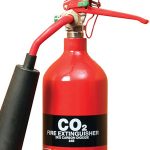
C02 Fire Extinguisher

C02 Fire Extinguishers

Used for Class B fire risks – flammable liquids such as petrol, spirits and diesel and also Electrical hazards

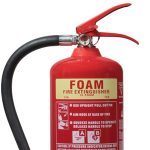
Foam Fire Extinguisher

Foam Fire Extinguishers

Used for class A fire risks such as as wood, paper, material and cloth and class B fire risks – flammable liquids such as – petrol, spirits and diesel.

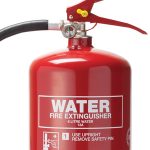
Water Fire Extinguisher

Water Fire Extinguishers

Used for class A fire risks such as as wood, paper, material and cloth

Wet Chemical Fire Extinguisher

Wet Chemical Fire Extinguishers

Used specifically for Fire Risk class F – deep fat cooking fires.

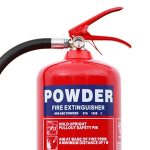
Powder Fire Extinguisher

Powder Fire Extinguishers

Used for Class A fires (wood, paper, material, cloth, etc), Class B (flammable liquids such as petrol, spirits, diesel), Class C (flammable gas) and also electrical hazards.

100-1578a_CROPPED

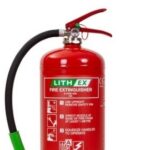
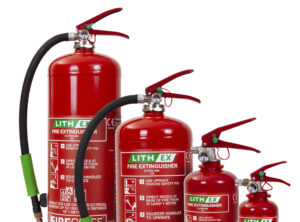
Lith-Ex Fire Extinguishers

For Class A and Electrical fires – designed specifically to tackle Lithium ion battery fires such as those found in mobile phones, tablets, laptops, toys, power tools and electric scooters.

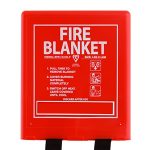
Fire Blanket

Fire Blankets

Commonly used for chip pan fires and toasters (kitchen fire risks) but also used for waste bins and in laboratories.

Fire Extinguisher Classification

In order to select the correct fire extinguisher for your premises you first need to identify from which class of fire you are at most risk. Fires are differentiated into Classes A, B, C, D, Electrical, and F. The following is a brief overview of each class.

Types of Fire Extinguishers


Class A
Fire involving solids (wood, paper, plastics, etc..usually of organic nature)
Class B
Fires involving liquids or liquefying solids ( petrol, oil, paint, fat, wax etc)
Class C
Fires involving gases (liquefied petroleum gas, natural gas, acetylene, etc)
Class D
Fires involving metals (sodium, magnesium and many metal powders, etc)
Electrical Hazards
Although not a true class of fire, we should also consider fires in electrical equipment.
Class F
Fires involving cooking fats/oils.
Water
Carbon Dixoide
Foam
Dry Powder
Fire Blanket
Wet Chemical

Fire Extinguisher Identification

Fire extinguisher types are colour-coded for ease of identification. British Standards EN3 legislation requires 90% of each fire extinguisher
to be red, with a panel on the side showing the identifying colour.

Fire extinguisher identification

Our Fire Extinguisher Services

Fire Extinguisher Sales
Fire Extinguisher Servicing
Fire Extinguisher Refills
Fire Extinguisher Hire
Fire Extinguisher Accessories
Fire Safety Equipment
24 Hour Call Outs.

AXA UK issues fire risk warning over lithium batteries in e-bikes

AXA UK issues fire risk warning over lithium batteries in e-bikes

INSURER AXA UK has warned of the growing fire risks associated with the lithium-ion batteries used in electric bikes and scooters. Lithium-ion batteries pose a significant fire risk when damaged, over-charged or otherwise exposed to extreme temperatures. Across the past two months, AXA UK has covered almost half a million pounds’ worth of losses on two large claims caused by lithium battery fires

It’s expected that both the frequency and cost of these fires are likely to grow exponentially as transport via e-bikes and e-scooters becomes more popular. AXA UK’s claims data shows that these fires most frequently occur within residential buildings where the associated damage can be devastating.

One of the recent large claims was the result of a faulty e-scooter battery, which was being charged in the kitchen of a ground floor terrace flat. An explosion occurred and fire spread through the home, reaching two storeys above.

The second occurred in a block of flats where an e-bike battery was being charged. The fire totally destroyed the flat and caused smoke damage to the flats on either side. Thankfully, nobody was injured in either incident.

Reducing the risk

To reduce the risk of lithium battery fires, AXA UK recommends the following precautionary steps are taken:

*Never leave batteries charging in a building that’s unattended or overnight when people are asleep in the property

*Unplug or disconnect from the battery once charging is complete

*Do not allow the battery to overheat and ensure that it’s charged on a hard surface where heat can disperse

*Monitor and assess for damage to the battery and the charger and always follow the manufacturer’s guidance for replacement or repairs

*Ensure smoke alarms – preferably interlinked detectors located around the property – are fitted where charging is taking place and, if possible, store and charge away from the main living area

As well as the increasing danger of fire in residential properties, AXA UK is also alerting those responsible for commercial businesses (such as Shopping Centres, retailers and e-bike and scooter storage and repair facilities) about the risks posed by these batteries. Businesses must ensure they have put in place reasonable precautions, reviewed and updated existing fire risk assessments and purchased specific fire extinguishers designed for use on fires involving lithium batteries.

Dougie Barnett, director of customer risk management for AXA UK’s commercial insurance operation, informed Fire Safety Matters: “Fire safety should be the foremost priority when it comes to charging and storing electric bikes and scooters. These forms of transport are becoming increasingly common due to the range of benefits they provide. However, this truism makes it even more essential that people understand the risks around storing them in the wrong way or using damaged batteries.”

Barnett added: “As an insurer, we’re there for individuals when the worst happens, but we want to make sure such risks are managed and reduced so that they can avoid the very often devastating consequences of a fire in their homes or within their business.”

Incredibly concerning

A spokesperson for the London Fire Brigade commented: “It’s incredibly concerning that we’re continuing to witness a rise in incidents involving e-bikes and e-scooters. When lithium-ion batteries and their chargers fail, they do so with ferocity and, due to the fact that the resultant fires develop so rapidly, the situation can quickly become one that’s incredibly serious in nature.”

The spokesperson added: “Our advice is to try and store and charge e-bikes and e-scooters in a safe location if possible, such as in a shed or a garage. If they have to be stored inside, make sure there’s smoke detection fitted and that the means of escape is not obstructed in any way. We know this will not be possible for everyone, so if charging is being carried out indoors, then safe charging must be the way forward, while everyone in the property should know what to do in the event of a fire.”


Published by Fire Safe Matters

Why use Lith-Ex Fire Extinguishers?

Why use Lith-Ex Fire Extinguishers?

Lith-Ex extinguishers have been specifically designed to tackle Lithium-Ion battery fires. These batteries can be found in electronic devices such as mobile phones, tablets and laptops, but also vaping machines, power tools, toys, electric scooters, e bikes and also cars.


Lithium-Ion battery fires can occur when there is thermal runaway which produces enough heat to eventually produce fire. This can occur as a result of electrical shorting, rapid discharge, overcharging, manufacturer defects, poor design or mechanical damage.


The storage of Lithium-Ion batteries in high volumes needs to be carefully managed through suppression, cooling, isolation, and containment. Whether you are storing them for goods distribution, battery collection bins, battery recycling, public services, battery charging stations etc.


Lithium-Ion battery fires are difficult to tackle as the design of the cells often prevent direct access of the extinguishing agent to the source of the fire.


Lith-Ex extinguishers contain Aqueous Vermiculite Dispersion (AVD), a revolutionary fire extinguishing agent. The water content of the extinguisher cools the fire source, while the Vermiculite platelets encapsulate the fuel source creating a thermal barrier to prevent propagation of the fire. The Vermiculite film is not electrically conductive. AVD is nearly twice as effective as water on a Class A fires and is environmentally friendly.


The LITH-EX EXTINGUISHER


The world’s first Fire Extinguisher to tackle Lithium ion battery fires such as mobile phones, tablets, laptops, toys, power tools and electric scooters.

    • – Designed for use on lithium battery fires up to a battery power rating of 250 – 500Wh
    • – Compact
    • – Lightweight
    • – Easy to store
    • – Non-toxic
    • – Environmentally friendly

Available in 500ML, 1L, 2L, 6L, 9L, 25L or 50L sizes.


Recommended Accessories


We also recommend the use of Heavy Duty Lithium Battery Fire Blankets which Provides safe storage and protection in transit, Working temperature up to 1000°C , Fire resistant technical fabrics and industrial stitching.


Lithium Battery Fire Suppression Kit  for the Safe storage of extinguished devices. Reduces the risk of explosion after the fire has been extinguished. Withstands temperature in excess of 1000°C


Lithium Battery Fire Resistant Container. Safe storage and transit of Lithium-ion battery packs, fireworks, and flammable chemicals. Acts as a thermal shield to reduce the threat of ignition from thermal conductivity.


Get in touch for more information

The Importance of Regular Fire Safety Inspections and Maintenance – October 2021

The Importance of Regular Fire Safety Inspections and Maintenance

It is vitally important to regularly inspect and maintain your buildings fire safety equipment. As a business owner, you are responsible for the safety of your building, employees and visitors. This includes the provision of adequate fire safety equipment and systems throughout the building. With more and more businesses returning to the office, it is essential to check that your fire safety equipment is regularly inspected.

Fire Extinguishers­

Fire Extinguishers need to be inspected and maintained by a competent person once a year in accordance with BS 5306. During these thorough checks your extinguisher is serviced and any necessary repairs are carried out or a replacement is recommended. A basic service would include checking it is in date, hasn’t been tampered with, is in good working order, is the correct weight and pressure and has the correct signage and positioning.

BS5306 recommends that fire extinguishers are tested by discharge every five years (water foam and powder) and refilled or replaced, and every ten years (CO2).  CO2 bottles are hydraulically tested at the ten year point, or the extinguisher is replaced.


It is also a requirement to keep a record of all servicing, maintenance and inspections of fire extinguishers.


Outside of the annual inspections, the responsible person for the premises should ensure that a visual inspection is carried out on all fire extinguishers monthly as follows;

    • – Check that the extinguishers are in the correct location
    • – Check that the anti-tamper seals are not missing
    • – Check the pressure gauge is in the green section
    • – Check for any damage to the extinguishers
    • – Confirm the operating instructions are legible
    • – Ensure the extinguishers not obstructed and are visible

RES extinguisher engineers are BAFE accredited (BAFE BS 5306 Part 3- Portable Extinguisher Maintenance).

Fire Alarms

British Standard: BS 5839 recommends any installed fire alarm system in your premises be maintained by a competent person at least twice a year. This includes detectors, call points and panels. A competent person is someone who has sufficient technical knowledge, understands the different types of fire alarms and how they work, is familiar with the makes and models, and has a good understanding of the legal requirements including the Regulatory Reform (Fire Safety) Order 2005 (RRO/FSO) and the BS 5839.

Routine fire alarm maintenance checks should be carried out by a competent person and include the following:

    • – Control panels
    • – Devices (sensors and detectors)
    • – Call points
    • – Voice alarms
    • – Batteries
    • – Reporting (Log book entry is a requirement)

RES provide fire alarm regular checks, servicing and maintenance. RES fire alarm engineers are BAFE accredited to BAFE SP203 – Fire Detection and Alarm System Modular Scheme SP203 – Part 1.

Emergency Lighting

Emergency Lighting is covered by BS EN 50172 / BS 5266-8 which provides guidance on the minimum level of testing dependant on the type of site you operate. Your responsible person should oversee the appropriate schedule.

Testing is as follows:


Monthly – Test all emergency lighting systems and ensure all luminaries and signs illuminate and are clean and present. A quick flick test is adequate.


Annually – To check that the lights remain illuminated for their full rated duration.


For safety reasons, the standards advise that the emergency lighting testing should be carried out at times of least risk to the buildings occupants or if possible, when the premises are unoccupied or in unoccupied portions of those premises.


RES provide Emergency Lighting Inspection and Testing, Fault Finding, Repairs and Regular Checks

RES fire alarm engineers are BAFE accredited to BAFE SP203 – Fire Detection and Alarm System Modular Scheme SP203 – Part 1.

Passive Fire Protection – Fire Doors

It is good practice to regularly inspect that your fire doors function correctly and that it will perform to its designed standard. Fire doors where traffic is high are more likely to be damaged and should be checked once a week/month (dependent on usage) by the responsible person for the property.


Periodic checks should be carried out every six months. Article 17 of the Regulatory Reform (Fire Safety) Order 2005 (RRO/FSO) makes it a legal requirement to ensure that fire resisting doors and escape doors are correctly installed and adequately maintained in order for them to be fit for purpose.


RES passive engineers are FIRAS Certified for Fire Door Maintenance.

Passive Fire Protection – Fire Stopping

Fire protection measures can be degraded over time and it is the legal responsibility of the Responsible Person that the fire protection be adequately maintained. It is the responsibility of the responsible person to ensure that regular inspection takes place. Fire stopping is the compartmentation of a building bounded by fire resisting elements such as walls, floors and ceilings. Fire resisting elements are used around cables, pipes and ventilation systems.


We recommend your fire stopping is inspected every six months.

Smoke Control / Automatic Opening Vents (AOVs)

Smoke vents have moving parts such as struts, hinges, pistons and actuators which remain stationary for long periods of time. As a result these systems can be prone to failure or fault. These systems should be regularly checked and subject to two maintenance visits per year to ensure they operate correctly.


RES undertake the servicing and maintenance of Smoke Control / Automatic Opening Vents (AOVs).

Dry Risers

BS 9990 requires that Dry Riser systems to undergo an annual static pressure test and inspection and a six monthly visual inspection, by a competent person. This ensures that the Dry riser system is maintained and functioning correctly for the fire brigade at all times.


RES can undertake dry riser servicing, testing and maintenance.

Fire Hydrants

BS 9990 requires that private fire hydrants to undergo an annual test and inspection and a six monthly inspection by a competent person to ensure the hydrant remains ready and in a working condition for brigade use. The Responsible Person should make periodical inspections of all Hydrants on a weekly and or a monthly basis.


Contact RES for ALL your Servicing, Testing and Maintenance needs.

This article is for general guidance only, please get in touch if you need assistance

Fire Extinguisher Service

A fire extinguisher is an essential piece of fire-fighting equipment that needs to work straight away when it is required by a user. It has to be reliable at all times – which means that business owners must ensure that fire extinguishers are regularly checked and serviced. As they are highly pressurised, fire extinguishers always carry the risk of bursting or causing injury to others. According to the Regulatory Fire Reform (Fire Safety Order) 2005, all fire-fighting equipment (including extinguishers), must be well-maintained and kept in efficient working order/repair.


Fire extinguisher servicing

There are two different types of fire extinguisher service – a visual inspection and annual maintenance. In a visual inspection, an inspector will check the location of the extinguisher to determine that it is located in the correct place, where it can be easily seen and accessed. The instructions will be checked to ensure that they are facing outwards where they can be easily and clearly read, and the overall condition of the extinguisher will be checked to determine whether it has already been used, and whether it has suffered any damage or has any missing parts. Tamper indicators are checked to see if they have been broken.


In an annual maintenance service, as well as a visual inspection, a fire extinguisher needs to be checked for corrosion, and assessed to see whether it needs to be refilled or re-pressurised. Most fire extinguishers (water, foam and powder) need discharge testing every five years. If you have a CO2 fire extinguisher, this will need a pressure test every 10 years to insure the cylinder is safe to continue to be pressurised and a new valve will be installed. You can have your extinguisher refurbished in this way, or in some cases it may be worth purchasing a new fire extinguisher.


As a business-owner, you are legally obliged to effectively maintain your fire-fighting equipment so that your staff and visitors are protected. At RES Protection Engineers, the servicing process is straightforward and affordable. When you have a fire extinguisher service with us, our BAFE registered technicians will carry out inspections and servicing in accordance with BS 5306. Following the service, you’ll receive the relevant documentation required. We can also service portable fire extinguishers, hose reels, trolley units and fire blankets to ensure that they are suitable for use in line with current legislation. All services are undertaken by BAFE registered technicians. We also offer an emergency call-out service, here for you 24 hours a day, 7 days a week.


Fire extinguisher sales and hire


Do you require a new fire extinguisher for your business? We can meet your requirements. All of our fire extinguishers are produced to European Standard EN3, and come with a five year guarantee. We offer discounts for large quantity orders. If you’d rather hire a fire extinguisher, we can provide hire services for up to six months.


Fire extinguisher service from RES


If you require fire extinguisher servicing, maintenance or repairs, RES engineers can carry out a comprehensive and affordable service. Our fire extinguisher services cover the South of England including the counties of Middlesex, Essex, Kent, East Sussex, West Sussex, Surrey, Hampshire, Dorset, Wiltshire, Gloucestershire, Berkshire, Oxfordshire, Buckinghamshire, Hertfordshire including London, Brighton, Portsmouth, Southampton, Winchester, Bristol, and the surrounding towns of Aldershot, Basingstoke, Beaconsfield, Bracknell, Cirencester, Egham, Farnham, Guildford, Henley on Thames, High Wycombe, Maidenhead, Marlow, Newbury, Oxford, Poole, Reading, Slough, St Albans, Staines, Swindon, Watford, Windsor, Woking, Wokingham and Worthing.
Fire Blankets

The importance of a fire blanket

In the case of a fire, a fire blanket helps to control flames and extinguish fires that are most commonly caused by cooking oils in kitchens. You can also use a fire blanket if clothing is on fire, or if an item such as a waste bin has caught alight. By covering the fire with a fire blanket, the supply of oxygen is cut to the fire, minimising its spread. At RES Fire Protection Engineers, our fire blankets have been certified and tested to the most stringent requirements of BS EN 1869:1997.

In a business premises, the most frequent location of a fire blanket is in a kitchen area, where cooking equipment is located. A fire blanket should always be positioned at least two metres away from a cooker, and fixed to the wall. When a fire occurs in a kitchen, it is normally on or around the cooker. To use a fire blanket, pull out the blanket from its pouch and hold the blanket between you and the fire. Protect your hands by inserting them into the sleeves of the fire blanket, keeping your fingers away from exposure as you are holding it. Place the fire blanket over the fire and step back immediately. Do not attempt to try and lift up the fire blanket until you are sure that the fire has been put out. Fire blankets should be discarded after use and not re-used.

Using a fire blanket

For a fire to burn and quickly spread, it requires fuel, heat and oxygen. A fire blanket is used to cut off this supply of oxygen to a fire, and should successfully put it out completely. A fire blanket must be sealed around the fire for it to work effectively, to stop oxygen from getting to the flames. Fire blankets usually have two ‘tails’ that are visible from its packaging. When using a fire blanket, you should place one hand on each tag ‘tail’ and pull simultaneously to remove the blanket from its packaging. If a person’s clothing is on fire, you should use a fire blanket in the same way and make sure that it is correctly sealed around the fire to prevent air escape.

Fire blanket installation and servicing

If you require fire blankets for a business environment, they should receive an annual service along with your other fire-fighting equipment. Service charges for fire blankets are usually half of that for extinguishers, and having your fire blanket serviced can save lives. An RES engineer will unpack the blanket and carry out a full inspection to ensure that the quality of the blanket still meets the legally required standard before placing it back into its packaging. An engineer will check for signs of wear, stains and any other types of oil staining, and will inform you of any holes in the blanket that may stop the blanket from working properly in the case of a fire. You will receive a certificate containing details of the fire blanket service.

Fire blankets from RES

At RES, we provide fire blankets that meet the most stringent requirements of BS EN 1869:1997. Our services cover the South of England including London, Berkshire, Bracknell, Windsor, Middlesex & Surrey, Oxfordshire, Hampshire, Buckinghamshire, Hertfordshire, Essex & Kent,