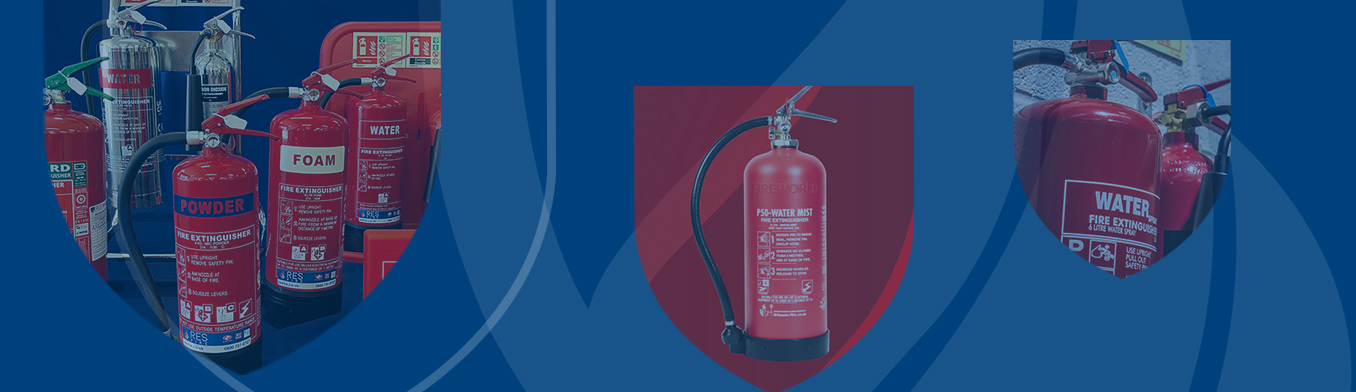
Types of fire extinguishers
There are five main types of fire extinguishers
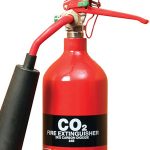
C02 Fire Extinguishers
Used for Class B fire risks – flammable liquids such as petrol, spirits and diesel and also Electrical hazards
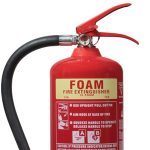
Foam Fire Extinguishers
Used for class A fire risks such as as wood, paper, material and cloth and class B fire risks – flammable liquids such as – petrol, spirits and diesel.
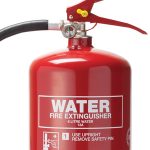
Water Fire Extinguishers
Used for class A fire risks such as as wood, paper, material and cloth

Wet Chemical Fire Extinguishers
Used specifically for Fire Risk class F – deep fat cooking fires.
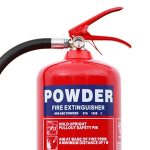
Powder Fire Extinguishers
Used for Class A fires (wood, paper, material, cloth, etc), Class B (flammable liquids such as petrol, spirits, diesel), Class C (flammable gas) and also electrical hazards.
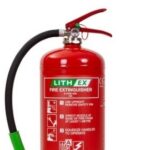
Lith-Ex Fire Extinguishers
For Class A and Electrical fires – designed specifically to tackle Lithium ion battery fires such as those found in mobile phones, tablets, laptops, toys, power tools and electric scooters.
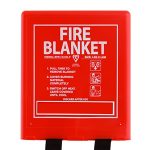
Fire Blankets
Commonly used for chip pan fires and toasters (kitchen fire risks) but also used for waste bins and in laboratories.
Fire Extinguisher Classification
In order to select the correct fire extinguisher for your premises you first need to identify from which class of fire you are at most risk. Fires are differentiated into Classes A, B, C, D, Electrical, and F. The following is a brief overview of each class.
| Types of Fire Extinguishers |  |
 |
 |
 |
 |
 |
||||||||||||||||||||||||||||||||||||||||||||||||||||||||||||||||||||
|---|---|---|---|---|---|---|---|---|---|---|---|---|---|---|---|---|---|---|---|---|---|---|---|---|---|---|---|---|---|---|---|---|---|---|---|---|---|---|---|---|---|---|---|---|---|---|---|---|---|---|---|---|---|---|---|---|---|---|---|---|---|---|---|---|---|---|---|---|---|---|---|---|---|---|
|
|
Class A Fire involving solids (wood, paper, plastics, etc..usually of organic nature) |
Class B Fires involving liquids or liquefying solids ( petrol, oil, paint, fat, wax etc) |
Class C Fires involving gases (liquefied petroleum gas, natural gas, acetylene, etc) |
Class D Fires involving metals (sodium, magnesium and many metal powders, etc) |
Electrical Hazards Although not a true class of fire, we should also consider fires in electrical equipment. |
Class F Fires involving cooking fats/oils. |
||||||||||||||||||||||||||||||||||||||||||||||||||||||||||||||||||||
| Water |  |
 |
||||||||||||||||||||||||||||||||||||||||||||||||||||||||||||||||||||||||
| Carbon Dixoide | |
|
||||||||||||||||||||||||||||||||||||||||||||||||||||||||||||||||||||||||
| Foam | |
|
||||||||||||||||||||||||||||||||||||||||||||||||||||||||||||||||||||||||
| Dry Powder | |
|
|
|
|
|||||||||||||||||||||||||||||||||||||||||||||||||||||||||||||||||||||
| Fire Blanket | |
|||||||||||||||||||||||||||||||||||||||||||||||||||||||||||||||||||||||||
| Wet Chemical | |
|
||||||||||||||||||||||||||||||||||||||||||||||||||||||||||||||||||||||||
Fire Extinguisher Identification
Fire extinguisher types are colour-coded for ease of identification. British Standards EN3 legislation requires 90% of each fire extinguisher
to be red, with a panel on the side showing the identifying colour.

Our Fire Extinguisher Services
■ Fire Extinguisher Sales
■ Fire Extinguisher Servicing
■ Fire Extinguisher Refills
■Fire Extinguisher Hire
■Fire Extinguisher Accessories
■Fire Safety Equipment
■24 Hour Call Outs.
;)
;)